


Arcade Britannia: The Pit

Updated: Jan 26
Arcade Britannia, written by Professor Alan Meades, presents a history of arcades from the travelling fairs of the 1800s, all the way to the present day. Using firsthand accounts, hidden archival resources, and rare photographs, he discusses the rise of the arcade and videogame industries, and the challenges that led to legislative and economic hardship for the industry.

Through analysing this history within a social, cultural, and biographical lens, he tells stories of struggle, grit, and redemption that has made the industry what it is today; in an impressive display of triumph over hardship.
The book was adapted into a comic format during its display at the London Design Biennale 2023, and following its success at the event, a second volume seemed to be the only logical forward trajectory. My role was to adapt a script from chapter 7 of the book into a digestible format for two artists to work from- considering paneling, art direction, and narrative engagement; to create a positive reader experience when the comic is printed.
Consideration of Tone

My first step into adapting the book into a comic was considering the tone, style, and atmosphere that the text and previous adaptations might have had. This began with me collating as much Arcade Britannia content as was available to me: the book itself, previous comic volumes, and advertising materials that were congruent in style and tone with the book and exhibition pieces. Once these had been identified; I began identifying the core themes between them. While writing styles between a comic and a book typically differ, it felt important to acknowledge the parts of the project as a whole that felt unanimous in their presentation before progressing to adapting the next comic.
There were several things I highlighted when considering this: from the bright, high contrast art style, borderless panel styling, and an emphasis on informative yet conversational styles of dialogue and informational delivery. These stylistic elements were crucial context for the next step of my pre-writing process: reading the chapter critically to gauge the rhythm and flow of the comic.
Identifying core narrative Kernels
With a requested length of 20 pages in mind, it was now time to work out the core narrative kernels, and align them with a flow that would create an immersive and pleasing experience for the reader, while also providing the necessary information to maintain the educational purpose the chapter intended to provide. Following a few read throughs of the chapter, I highlighted several major arcs within the story: Andy’s Origins, the development of his company and the game based on Quartermass and the Pit, the trade fair, international success, and finally: the copyright battle against Atari.

With these all outlined, I made rough estimations of how many pages each section should be allowed and began to gather key quotes that best fit these core narrative beats.
Pace Establishment
Once the core information had been allocated to each page- I looked to ensure the pacing was right for the tone and style of delivery of Alan’s other works. From this, I made a few edits to my planned outline: such as adding in a small introduction. While not entirely related to the chapter itself, and not remotely a core beat within the comic- reflecting on Alan’s previous works made it feel important for the sake of the conversational and natural flow of dialogue. With small adjustments such as that in mind, all working to ensure cohesion with the other comic already produced, I felt able to progress to the final piece of my planning.
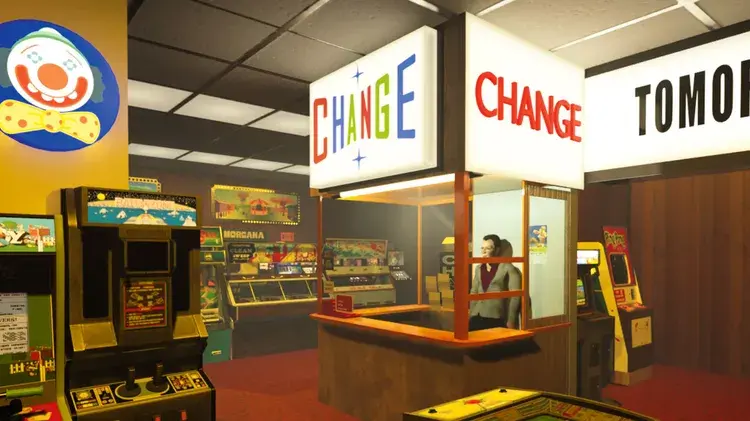
Complimentary Satellites
As established previously, the style of delivery was incredibly important in the unity between Arcade Britannia (Novel), Arcade Britannia (Comic), and this new addition to the collection. With engaging tangents and facts thrown into everything Alan has produced- relevant or otherwise, I began to reflect on the chapter once more with the addition of complimentary satellites in mind.
Small facts about the characters, their settings, and contexts behind their motives makes the comic far more personal and engaging; through its humanisation of the characters that while real, would still only feel like comic book fiction without these glances into their personhood.

Knowing what drew Andy to begin to make videogames, brief looks into how supportive his wife was of his decisions, and the kind of business his cafe had while working there creates a lot more depth for the reader to engage with and relate to; holding their attention for longer than a two dimensional character would have.
Writing

Upon the conclusion of the prewriting and planning portion of my process, I then progressed onto writing the first draft of the script. While typically this would involve writing from your own head, adapting a script gives you a breadth of things to work from: particularly when creating an adaptation from a non-fiction, academic text. Normally, I would write dialogue and stage direction simultaneously, but with this project I chose to use the outline of dialogue I already had to plot out the pacing of the comic to create a skeleton script: knowing that there wouldn’t be a huge amount of editing to the dialogue considering they were key points within the chapter.
With the dialogue and narrative predestined, my most important task for this project was “stage” directing. As I was working with artists, I was incredibly mindful of the level of visual detail required to follow a script in such a format, and so dedicated a more intense period of time to making sure the direction was as clear and understandable as possible.

A huge bonus throughout this process was the style of the source material. Alan's writing style always contains a great degree of vivid imagery, so identifying the style and setting of each page was never difficult. In addition to this, Alan’s previous works had a very distinct panel “template”, with a considerable portion of the pages featuring him as a presenter- making it easy to fill potential artistic gaps that may have appeared; although this problem didn’t necessarily arise due to the compact 20 page deliverable expected.
Referencing

Once writing was concluded, my attention turned to making the script as palatable as possible for anyone working from it- making compiling a reference list incredibly important. Not only was the content of the comic grounded in non-fiction, making it pertinent for locations and specialist equipment to align with reality, but supporting written direction with imagery meant that the directions themselves were much more likely to be understood by
someone who may not be able to conceptualize the meaning in its absence.
This clarification meant that the writing portion of the pipeline was able to be wrapped up far quicker than it would have otherwise- with few edits being made after the main portion of the initial writing was concluded.
You can find the script for the project here! >>
The art portions of the comic are still in progress, but you can see the current pages here >>>


Comments